What is a laser engraver
Definition and core components
South Africa’s small-town workshops are buzzing with a quiet revolution. Demand for personalised goods has climbed 28% over the past year, a signal that imagination is meeting accessible tech. Consider this: laser engraver what is it; it’s a precise instrument that uses a focused laser beam to burn, engrave, or cut materials—from timber to acrylic and metal—creating crisp lines and lasting marks. It stitches craft to science, turning plain blocks into keepsakes and raw ideas into tangible things.
At its core, a laser engraver is built from a handful of dependable parts that must work in harmony:
- Laser source (CO2 or fiber)
- Focusing lens and lens housing
- Galvanometer or motion platform
- Control software and interface
- Safety features and exhaust system
These elements translate ambition into accuracy, letting makers craft signage, keepsakes, and prototypes with a tangible finesse that travels from rural workshops to bustling towns across South Africa.
Laser types overview
Power travels in silence inside a workshop, turning ordinary boards into heirlooms. In South Africa’s growing maker scene, a single beam redefines possibility. So, what is it—laser engraver what is it? It’s a precision instrument that narrows a focused laser into a tiny, quiet orchestra, burning, engraving, or cutting materials—from timber to acrylic and metal—producing crisp lines and lasting marks. The result? Craft and science dancing in harmony, transforming raw blocks into keepsakes and bold ideas into tangible things.
Laser types overview: three energies shape the craft.
- CO2 lasers: versatile for organic materials like wood, leather, and acrylic
- Fiber lasers: razor-sharp lines on metals and robust industrial engravings
- UV/solid-state options: delicate marking on plastics, glass, and high-precision projects
In South Africa, the mix of substrates, power budgets, and safety considerations informs every device choice. The landscape mirrors the nation’s blend of artisan skill and industrial reliability, where the mark must hold through time.
Common materials and marking areas
In South Africa’s blossoming maker scene, a single beam can turn a rough plank into a keepsake. So, laser engraver what is it? It’s a precise instrument that concentrates light into a tiny, intimate orchestra, burning, scoring, or cutting materials—timber, acrylic, metal—into crisp lines and lasting marks. The result is craft and science dancing in harmony, translating raw blocks into memories and bold ideas into tangible forms.
Common materials and marking areas respond to power, speed, and technique.
- Wood and plywood: crisp text and decorative motifs
- Acrylic and plastics: high-contrast engravings and frosted edges
- Leather: precise logos and subtle debossing
- Metals: shallow etching with durable contrast
Across SA workshops, artisans balance local substrates with safety and budget, coaxing lasting character from every beam. The marks seen on timber boxes, glass keepsakes, and metal components tell a story etched in time.
How laser engraving works
Laser generation and focusing
Hard-won craft meets precise light in the workshop—laser engraving reshapes wood, leather, and metal with quiet efficiency. Across South Africa, makers report faster customization and deeper finishes, turning rough timber into heirlooms in minutes. For those asking, “laser engraver what is it,” the quick answer is a tool that translates a designer’s vision into tangible, lasting marks.
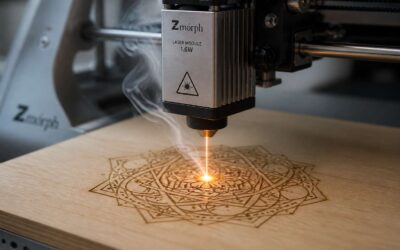
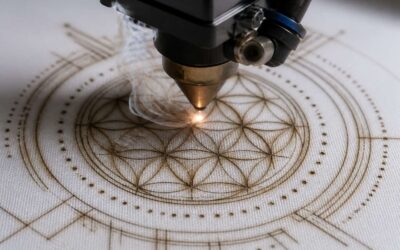
At the heart of operation lies laser generation and focusing. An energized medium—gas, crystal, or diode—stores energy until photons surge forth in a coherent beam. A precision lens concentrates that beam into a microscale spot, where heat etches, ablates, or melts the surface with remarkable control, shaping depth and detail without contact.
In practice, the sequence looks like this:
- Energy storage in the active medium
- Emission of a coherent beam
- Focusing the beam to a microscale spot on the surface
That sequence quietly carries craft into every etched piece.
Material interactions: burning, ablation, color change
Power meets precision in the workshop, where a whisper of light carves memory into material. Across South Africa, makers watch surfaces transform in minutes instead of hours. If you’re wondering laser engraver what is it, imagine a focused heat source translating a design into tangible marks without contact—a quiet, almost otherworldly craft that leaves a lasting signature.
Material interactions fall into three acts: burning, ablation, color change. The beam injects energy that heats, melts, or vaporizes the surface with microscopic control.
- Burning: surface char and edge sealing
- Ablation: removal of material for clean, crisp detail
- Color change: pigments react to reveal contrast
Around the mark, depth follows a stubborn rule: linger longer and the burn deepens. Energy, focal length, and scan pace decide edge sharpness and texture on wood, leather, and metal.
Software and design workflow
Across South African studios, the thrill isn’t the laser itself, but the moment a sketch becomes a tangible mark. If you’re wondering “laser engraver what is it”, the answer sits in a disciplined tango between design files and a precise focal beam—quiet, exact, and stubbornly permanent!
Software and design workflow starts long before the switch is flicked. I prepare the file as vector or raster, clean the lines, and convert to a toolpath. Then choose material and thickness, set power, speed, and passes, and preview the route for perfect focal depth.
Three core steps that keep the flow elegant:
- Import and prepare the design (vectorize, clean lines)
- Configure material, thickness, and laser parameters
- Generate, simulate, and export the toolpath
With a thoughtful workflow, a designer can coax signature-grade results from a humble beam.
Power, speed and pass control
If you ask ‘laser engraver what is it,’ South African studios know the answer rests in a disciplined tango between energy and motion. The beam is not a spark but a precise tool that leaves a lasting mark when the conditions are right. In practice, engraving hinges on power, speed and passes—the three levers that shape depth, contrast and edge quality.
Power decides how deeply the material is etched and how bright the mark will appear. Speed controls how long the material sits under the beam, changing heat input. Passes accumulate engraving depth without overtaxing the surface.
- Power sets depth and brightness
- Speed governs heat input and edge smoothness
- Passes build depth and can improve contrast
With thoughtful calibration, the same laser captures fine lines and broad fills with equal discipline—no magic, just measured control.
Precision and resolution
Precision wears a quiet halo around the laser; how fine lines become memory on metal, wood, or acrylic is the heart of the craft. When we ask laser engraver what is it, South Africa’s studios glimpse a disciplined duet of optics and physics, where pulses sculpt the surface with surgical calm.
In practice, resolution is born from stable focus, crisp line width, and repeatable energy delivery. Think of the beam as a fountain of tiny decisions—the spacing, the dwell time, and the path are choreographed for crisp edges and restrained scorching.
- Sub-micrometric focus drift control
- Consistent spot size across materials
- High-contrast finishes through controlled ablation
With precision calibrated, even high-contrast fills read as texture rather than noise, and the result speaks in shadows and glow. For engineers, laser engraver what is it shifts from mystery to measured rule: light meets surface under rules, not luck.
Features and specifications to consider
Engraving area and bed type
Space is the quiet workhorse of precision. The right engraving area can unlock designs you never imagined. If you ask “laser engraver what is it”, you’ll hear a tool that translates digital plans into real textures, with the bed forming the platform for stability. For South Africa’s workshops, choosing the right footprint means crisper lines, fewer misfeeds, and consistent results across materials. It matters!
- Engraving area: width × depth matched to your typical project sizes
- Bed type: flat, honeycomb, or perforated designs to stabilize materials and improve chip evacuation
- Clearance: maximum material thickness (z-height) and mounting flexibility for varied stock
In South Africa, market options vary; a capable unit pairs consistent power with a stable bed, delivering predictable results on wood, acrylic, leather, and metal.
Laser power and wavelength
Power and wavelength are the quiet architects of every mark. In a laser engraver what is it that makes a crisp edge and a restrained burn? Wattage defines the depth and speed of engraving; wavelength determines how efficiently the beam interacts with different materials. For South Africa’s workshops, a unit with stable output across a range of tasks yields clean lines on wood, acrylic, leather, and even certain metals. The right combination turns hesitation into confidence and texture into precision.
- Wattage range and duty cycle suited to typical stock
- Pulse vs continuous operation to control heat-affected zones
- Material wavelength compatibility for efficient engraving
South African buyers benefit from vendors offering clear calibration, accessible service, and safety features that keep fumes and reflections in check. Matching power calibrations to common substrates delivers consistent results across batches and a quieter, more productive workshop rhythm.
Precision, repeatability, and speed
In South Africa’s buzzing workshops, a single question can spark a thousand projects: laser engraver what is it, the answer is a precision engine where light becomes texture, edge, and depth. When tuned, it yields crisp edges, restrained burns, and clean lines across wood, acrylic, and leather.
Think of features as the tool’s soul: stable output across tasks, a choice between pulse or continuous operation to govern heat, and a wavelength that suits each material’s whisper. These decisions shape speed, depth, and the fidelity of every mark.
Key considerations include:
- Thermal management and duty cycle for steady results
- Beam quality and focusing options for sharp corners
- Safety features and fume/reflective management for busy shops
For South African buyers, clear calibration, accessible service, and robust safety features translate into calmer rhythms and consistent batch quality.
Air assist and safety features
In the rhythm of a South African workshop, laser engraver what is it? It’s a precision engine that turns light into texture, chisel-quiet and exact. For features, look to air assist that wafts chips and cools the beam, reducing burn-in and improving edge clarity. A clean path means fewer blemishes on wood, acrylic, and leather.
Safety features guard the makers: interlocks, an enclosed bed, efficient fume extraction, and reflective management to keep stray beams in check. A robust duty cycle and reliable power supply keep pace with busy shifts, while clear calibration and service accessibility translate to calmer batches.
- Air assist options: pressure control and nozzle design for consistent cuts
- Fume management: extraction systems and filtration for cleaner air
- Safety: emergency stop, shielded enclosure, and automatic shutoffs for peace of mind
Connectivity and software compatibility
South Africa’s workshops hum with purpose, where tiny sparks become stories. Asked plainly, ‘laser engraver what is it’, it’s a precise engine that turns light into texture—quiet, exact, and hungry for detail!
Connectivity and software compatibility shape reliability. Look for USB-C or Ethernet, Wi‑Fi, and cloud-ready workflows that align with your design toolkit. The right machine speaks SVG, DXF, and AI fluently, with solid drivers and easy firmware updates.
- Connectivity: USB-C, Ethernet, Wi-Fi
- Software formats: SVG, DXF, AI compatibility
- Stable drivers and firmware updates
In my experience, the human touch matters: intuitive control, cross-platform previews, and dependable calibration. A modern laser engraver becomes not just a tool but a companion in craft, even in a bustling Cape Town or Joburg studio.
In the end, the conversation with your equipment is a quiet moral: precision reflects intent.
Applications and use cases
DIY crafts and personalization
In a country where craftsmanship breathes in every workshop, personalized goods are reshaping small spaces. The phrase “laser engraver what is it.” often sparks curiosity, and the answer is surprisingly simple: a beam-guided tool that marks, etches, and slices through a surprising range of materials—wood, acrylic, leather, and beyond—while keeping a delicate touch on finer details. It turns ordinary items into heirlooms, in a single, precise pass.
From wedding favors to classroom projects, the practical applications are as varied as SA’s craftspeople. Common uses include:
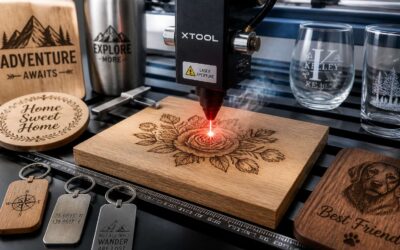
- Personalized wooden name plaques
- Custom leather wallets, tags, and key fobs
- Acrylic photo panels and signage
- Engraved glassware and keepsakes
- Wooden coasters, gifts, and awards
For South African studios, it doubles as a storytelling tool—bridging tradition with tomorrow. Personalization adds value, pride, and a touch of magic to everyday items.
Industrial marking and traceability
Industrial marking and traceability shape the backbone of accountability in South Africa’s bustling workshops. The phrase “laser engraver what is it.” may spark curiosity, and the answer is practical: a precise, non-contact instrument that stamps durable identifiers on metal, wood, and plastic, guiding inventory, quality, and compliance on busy lines.
Applications and use cases include:
- Serial numbers, batch codes, and date stamps on parts and packaging
- Asset tagging and tamper-evident markings for equipment and PPE
- Barcodes and QR codes for inventory, recalls, and traceability
- Custom signage for machines, safety labels, and product branding
In SA’s evolving manufacturing landscape, the same beam that defines art lends governance to production’s rhythm.
Jewelry and art
Across the SA workshop floors, personalization is a currency; bespoke pieces command higher value when a blade of light can leave an indelible mark. In fact, 38% of South African jewelers report increased orders after adding laser-engraved options. laser engraver what is it — a precise, non-contact instrument that stamps meaningful identifiers or names on metal, wood, and plastic, turning ordinary items into heirlooms.
- Personalized pendants with names, dates, or symbols
- Engraved logos or signatures on wedding bands, cufflinks, or bracelets
- Art plaques and gallery tags authenticating and dating pieces
- Limited-edition marks on sculptures, wooden art, and ceramics
- Keepsake tokens and mementos with custom dates or dedications
In jewelry and art, the beam becomes a language—one that speaks of heritage, precision, and personal story. The result is tangible memory, a quiet revolution on South Africa’s vibrant creative scene, where design meets durable identity in every carefully placed mark.
Education and prototyping
In education, the phrase laser engraver what is it enters the dialogue as a doorway to hands-on discovery. From school maker spaces to university labs in SA, the tool demystifies design, tolerances, and material behavior with precise, non-contact precision that keeps experiments tidy and repeatable. It turns ideas into tangible test pieces in minutes.
- School maker spaces for rapid project prototyping
- University labs for student portfolios and demonstrations
- Apprenticeships and outreach programs with tangible artifacts
In prototyping, feedback is fast, and iteration is celebrated. Students and designers swap files, tweak features, and watch concepts become real objects, not abstractions. The result is a confident step from sketch to showcase, fueling creativity and practical understanding.
Signage and awards
Signage that lasts and speaks volumes is more affordable than you think. In South Africa, storefronts and institutions report an 18% uptick in durable, on-demand signage production. The phrase “laser engraver what is it” often leads to a simple truth: precision, speed, and non-contact operation turn ideas into finished pieces in minutes.
- Storefront and wayfinding signage
- Awards, trophies and certificates
- Branded gifts, nameplates and plaques
In corporate, educational, and community settings across SA, the technology elevates projects from concept to kept artifact, widening access to high-quality, customized outputs.
Choosing the right laser engraver
Budget and total cost of ownership
In rural workshops where every rand counts, the sticker price is only the start. A reliable laser engraver reduces downtime and waste, turning a good day into a productive one. Across SA, many businesses find the total cost of ownership more telling than the initial bid, especially when service and parts are scarce on a Sunday afternoon.
Choosing the right laser engraver budget and total cost of ownership is more than a price tag. laser engraver what is it—it’s a blend of upfront cost, maintenance, energy, and resale value.
Consider a simple breakdown:
- Upfront price and delivery times
- Running costs: energy, lenses, and consumables
- Maintenance, warranty, and local after-sales support
- Software, licensing, and upgrade paths
Choosing a model that balances capability with predictable service makes all the difference in a small SA workshop.
Desktop vs industrial machines
“The right machine doesn’t just cut profit; it preserves your sanity on a Friday afternoon,” a South African workshop owner told me. laser engraver what is it often resolves to a single, stubborn question: will this device keep up with demand and still be easy to service?
To answer laser engraver what is it, weigh three practical pillars — footprint, throughput, and support.
- Footprint and power requirements for your space
- Throughput, materials handling, and finishing quality
- Service reach, spare parts, and local warranty coverage
In a rural SA workshop, a desktop model shines for prototyping and delicate jobs, while an industrial rig handles bulk runs and tougher materials, with a broader after-sales network. The balance you strike shapes uptime and morale.
Material compatibility and accessories
When you ask “laser engraver what is it”, you’re chasing a partner that turns whimsy into durable work. In a rural SA workshop, space is tight and deadlines loom; the right model blends delicate detail with steady pace, transforming hesitation into momentum. Material compatibility and a thoughtful lineup of accessories are the quiet magic that keep lines moving.
- Wood and plywood (softwoods, hardwoods)
- Acrylic and plastics (PMMA, PETG)
- Leather, textiles, and paper
Equally essential are accessories that extend capability without chaos: a honeycomb bed for cleaner edges, an efficient exhaust system, and a precise focus lens kit. When these companions are aligned, a compact laser engraver feels expansive, inviting bigger jobs without sacrificing charm.
Service, warranty, and support
In the SA workshop, “laser engraver what is it” often reveals itself as a partner more than a tool—one that keeps momentum when deadlines loom and space is tight.
Choosing the right device means embracing service as a core spec. We look for a robust, transferable warranty, clear maintenance terms, and a local support network that speaks SA time zones and freight cycles.
- Local parts availability and quick turnaround
- Transparent warranty terms (length and transferability)
- Accessible technical support and training
- On-site service options within South Africa
With these guardrails, the right engraver becomes a steadfast ally in turning ideas into durable work.
Safety, maintenance, and best practices
Safety precautions and PPE
Safety is the unseen filament that holds every beam together. laser engraver what is it? It’s a precision instrument that demands respect—when paired with skill, it carves details with a whisper, not a shout. In South Africa’s vibrant studios, an enclosure, proper ventilation, and disciplined PPE turn potential danger into dependable artistry.
Maintenance keeps the beam honest. Regular checks of the enclosure, clean lenses, and an unobstructed exhaust path prevent sparks from turning into costly mistakes. In practice, routine cleaning, prompt repairs, and eye protection suited to the wavelength are essential.
Best practices preserve both safety and performance.
- Operate in a vented, enclosed space to control fumes
- Wear appropriate PPE: laser safety goggles, flame‑resistant clothing, and hair tied back
- Store materials and cables to prevent trips and accidental contact
This awareness keeps the laser engraver what is it a trusted ally in fabrication.
Ventilation and exhaust
Ventilation is the quiet backbone behind the glow of every successful cut. For the South African workshop, where air quality matters, the question laser engraver what is it becomes practical: a precision device that thrives when fumes are captured and safety is non-negotiable.
Maintenance preserves the beam’s integrity. In practice, keep the enclosure clean, protect optics, and ensure the exhaust path remains unblocked. Regular attention reduces downtime and protects eyes and skin, a principle local studios in SA rely on to sustain craftsmanship and compliance.
Best practices reinforce safety and performance through ventilation and exhaust. Consider these core elements:
- Effective capture of fumes at the source keeps the air in your workspace healthier.
- A sealed, well‑designed enclosure minimizes stray light and debris.
- Ongoing air quality awareness and routine audits sustain a reliable workflow.
Maintenance routines
Within South Africa’s buzzing workshops, the truth about the craft resonates: the laser engraver what is it? A precision beacon that answers to discipline as much as to design. When reliability is the aim, a quiet ritual of care makes the glow last longer.
Maintenance routines keep the beam honest and friendly to the eyes. In SA studios, cleanliness and optics protection are the first lines of defense:
- Keep the enclosure free of debris to sustain cut quality
- Shield optics and lenses from dust and heat through regular checks
- Preserve an unobstructed exhaust path to maintain air safety
Best practices for safety and performance emerge from mindful monitoring: air quality checks, sealed enclosures to curb stray light, and routine inspections to catch wear before it harms accuracy. Regular calibration and gentle handling extend life and ensure consistent results across projects.
Firmware updates and calibration
In SA studios, “laser engraver what is it” is a question many makers ask—it’s a precision beacon that turns ideas into lasting marks. Treat it with respect and it answers back with clean lines and confident performance, even after long shifts and tough materials.
Safety and maintenance are not afterthoughts; they’re the discipline that protects your eyes and your budget. A quiet culture of care keeps the beam honest and the room safer, letting you push creative boundaries without the drama of downtime.
Firmware updates and calibration are part of best practices—the backstage crew that keeps you sharp. Regularly updating hardware firmware and validating alignment ensures consistent results across projects, preserving accuracy as you scale up from prototypes to production runs.

0 Comments