Understanding laser engraving systems
What is a laser engraving system
A micron of precision decides whether your result is a triumph or a shrug. Understanding laser engraving systems begins with the idea that laser engraver machines are more than a box with a beam; they’re a carefully tuned orchestra of three core parts: the light source, the motion delivery, and the focusing optics!
Key components include:
- Laser source options (CO2, fiber, or UV) chosen for material compatibility
- Motion system (galvo mirrors for speed or CNC stages for size)
- Focusing optics and working distance matched to material thickness
- Control software that translates your designs into precise marks
In South Africa, choosing this equipment hinges on service support, local parts availability, and energy efficiency—factors that keep downtime low and projects moving from idea to finished piece.
Core components and how they work
Sharper than a katana in a coffee shop, laser engraver machines demand more than a beam and a box. In the real world, one miscalibrated focus can turn a clean line into a melted mess. Understanding laser engraving systems means appreciating three quiet athletes—the light source, the motion delivery, and the focusing optics—each tuned to coax the material into a willing, crisp mark.
On South Africa shop floors, material type and energy use steer choices. The light source must flirt with the material without scorching it; the motion system determines how fast and how accurately the beam travels; the optics set the spot size and working distance to match thickness.
- Light-source compatibility with material
- Motion system choice: speed vs precision
- Focusing optics and working distance vs thickness
Together, they make the difference between a crisp flourish and a missed opportunity for laser engraver machines.
Types of laser sources and their applications
Understanding laser engraving systems begins with recognizing the versatility of laser engraver machines and how their light source, motion, and optics dance together on a South African shop floor. A shop-floor veteran once whispered, “Precision is the language of a finished product,” and that sentiment guides every material choice.
- CO2 lasers: ideal for wood, acrylic, leather, and many organics; quick, broad-area marking.
- Fiber lasers: excel at metals and hard polymers; high energy density and long-term reliability.
- UV/solid-state options: deliver fine, intricate marks on plastics and delicate coatings with superb resolution.
Choosing among these sources, in context of material type and power availability, shapes the successful integration of laser systems on South Africa’s shop floors and into the stories those marks tell.
Power, speed, and resolution basics
On South Africa’s bustling shop floors, the quiet hum of laser systems feels like a modern anthem. A recent industry survey found that 72% of managers report sharper, more consistent marks when power, speed, and focal precision move in balance. Understanding how these levers interact turns engraving into a language that speaks across wood, metal, and plastic alike.
Power governs depth and burn-through—the heartbeat that reveals grain and texture. Speed sketches the pattern across the workpiece; too fast, you lose contrast; too slow, and you risk scorching. Resolution, the fineness of the dot matrix, decides how legible a logo or script remains on delicate surfaces.
- Power: depth and contrast
- Speed: area coverage and throughput
- Resolution: clarity and detail
On the workshop floor, seasoned operators learn to respect these levers. The dialogue with materials becomes a dialogue of light, timing, and texture. In the end, the harmony of these elements in laser engraver machines turns raw stock into a lasting signature.
Safety and compliance considerations
In the glow of South Africa’s mornings, safety isn’t a checkbox—it’s the quiet rhythm that preserves accuracy and life on the shop floor. With laser engraver machines, the discipline of safeguards keeps every mark crisp and every operator confident.
- Enclosure integrity and laser class awareness
- Ventilation and fume management for air quality
- Personal protective equipment and eyewear standards
- Documentation, audits, and adherence to local safety regulations and manufacturer guidelines
By treating safety as part of the creative fabric, we respect the light and the material, ensuring the magic of laser engraver machines remains a reliable signature rather than a risk.
Types and configurations of laser engraving systems
Carbon dioxide vs fiber laser options
Manufacturers often discover that precision is the rarest luxury—yet with the right laser engraver machines, it becomes routine. Carbon dioxide units excel on wood, acrylic, and organic materials, delivering warm, crisp engravings. Fibre lasers sprint through metals and hard polymers with astonishing speed. It’s more about configuration—beam quality, focal options, and maintenance rhythms—than about the “best” source alone, and that choice ripples through your shop floor!
- Material compatibility and mix
- Speed, beam quality, and engraving depth
- Running costs and cooling/maintenance
- Footprint, safety, and service options
In South Africa, the right pairing of laser engraver machines and local support turns planning into production. Whether you lean toward CO2 charm or fibre grit, the workflow dictates the configuration—and the supplier should be your partner, not a on-paper promise.
Desktop compact models vs industrial machines
“The right beam turns a spark into a lasting mark.” In South Africa’s workshops, that truth shapes how laser engraving is built. Desktop compact models offer nimble versatility—small footprints, plug‑and‑play setup, and affordable entry points for prototyping, signage, and custom gifts.
Industrial systems push production boundaries: larger beds, higher duty cycles, automated feeders, and consistent repeatability across thousands of parts. When sizing up laser engraver machines, weigh throughput against maintenance rhythms, cooling needs, and service support. A thoughtful pairing—desktop for flexibility and industrials for scale—keeps your floor humming.
- Desktop compact: footprint, cost, quick setup
- Industrial machines: bed size, automation, uptime
All in one systems and specialized configurations
“Light is memory etched in time,” a line that lingers as the workshop hums. In the realm of laser engraver machines, types and configurations shape fate as surely as a craftsman’s hand shapes steel. All-in-one systems fuse engraving, cutting, and marking into a single chassis, a blade of precision that travels from prototype to product with a whisper and a roar.
Across workshop walls, specialized configurations tailor the beam to challenge: cylindrical wraps, curved surfaces, and flat panels, each demanding a different approach. These laser engraver machines unlock workflows that span signage, jewelry, and intricate artwork, keeping the ember of craft alive amid modern demands.
- All-in-one platforms that handle scanning, rastering, and vector work
- Rotary and galvo add-ons for complex geometry
- Camera-assisted alignment and offline job libraries for repeatable results
Engraving versus cutting capabilities
In the candle-lit workshop, the types and configurations of laser engraving systems carve fate as surely as any tool. For many operators, the choice defines laser engraver machines—the line between patient, textured engravings and clean cuts. Beam control is the hinge: focal length, pulse behavior, and how the motion paints light on flat, curved, and panel work. It’s a spectrum that invites a craftsman to balance rastering detail with decisive edge, depending on the material and purpose.
- Fine detail and shading on surfaces
- Clear through-cuts on thin stock
- Adaptive focus for curved geometries
Engraving versus cutting is a question of intent. Subtle graphics thrive on resolution; thicker pieces yield bold silhouettes. In South Africa’s markets, the right balance turns light into lasting mark, and the right system into a reliable partner.
Material compatibility libraries and presets
Light is a tool when you learn its margins—a maxim you hear in South African workshops. Markets reward the right pairing of type and configuration. Engraving systems span compact galvo benches to heavy gantries, with CO2, fiber, and UV options telling stories. Beam control—focal length, pulse pattern, and motion strategy—unfolds as a craft, not a spec sheet. Textures, through-cuts, and curved surfaces find a home when tuned to the task.
Material compatibility libraries and presets drive consistency across varied jobs. A modern approach builds a library that matches substrates to power curves, smoothing ramp times and edge quality. Options to consider include:
- Material libraries for woods, acrylic, leather, fabrics
- Raster vs vector presets with power and speed curves
- Curvature-aware focus strategies
Across South Africa’s workshops, selecting laser engraver machines becomes a dialogue between tradition and precision. The right configuration turns material into memory, with libraries and presets as partners.
Materials and output quality
Materials you can engrave
In South Africa’s markets, a premium engraving can lift perceived value by up to 30%. With laser engraver machines, material choice becomes destiny—crisp lines, durable contrast, and a finish that speaks to the wearer before the product even meets the gaze.
- Wood
- Acrylic
- Leather
- Anodized aluminum
- Fabric
Output quality hinges on how the surface absorbs energy, the coating, and focus precision. Some materials yield a subtle frosted texture; others reveal deep, bold engravings with minimal scorching. When the surface and machine are tuned to one another, results feel almost inevitable—clear, consistent, and unmistakably crafted for a discerning South African audience.
Material preparation and finishing techniques
In South Africa, a precise finish can lift perceived value by up to 30%. That’s where laser engraver machines earn their keep—the right setup ensures crisp lines and durable contrast that speaks before the product meets the gaze.
Material preparation is the quiet engine of quality. Surface energy, coating, and focus converge to determine output quality. For wood, acrylic, leather, anodized aluminum, or fabric, clean, dry, and flat surfaces emerge as the baseline; masking or film can protect edges while guiding the beam. Subtle frosted textures can result from controlled raster passes, while deeper engravings may require different focal depth and power tuning.
- Keep surfaces clean and dry to ensure even energy absorption
- Masking protects edges while guiding the beam for crisp edges
- Coatings and finishes influence contrast and durability
Finishing techniques give longevity and legibility: color fills to improve contrast on dark materials, clear coats to resist wear, and light sanding to smooth edges. When a surface is paired with appropriate finishing—dye, varnish, or sealant—the result looks inevitable—readable, durable, and unmistakably crafted!
Effects of settings on depth and contrast
In the realm of laser engraver machines, material choice and precise setup frame output quality. The surface answers differently: wood warms, acrylic sings with sharp contrast, leather gains depth, anodized aluminum takes on tone with coatings. When focal depth, power, and beam profile align, crisp lines endure and contrast remains legible. I watch the line sharpen as the setup bites into the substrate.
- Focal depth shapes how deeply the beam engraves, altering relief and legibility.
- Power and speed govern edge sharpness and depth consistency.
- Raster spacing and pass count control texture and subtle contrast.
- Coatings and finishes modulate contrast, wear resistance, and longevity.
Finish choices then carry the work from momentary gleam to lasting memory, where color fill and sealants frame the message.
Vector versus raster engraving and image quality
A sharp statistic cuts through the noise: 68% of creatives say vector precision defines brand impact when using laser engraver machines. In practice, vector engraving renders clean lines and scalable logos, while raster engraving reveals texture and subtle shading. I watch a line sharpen as the beam lingers, the substrate answering with a quiet glow.
- Vector engraving yields crisp edges and scalable paths—perfect for logos and typography.
- Raster engraving delivers grayscale and photo-like detail, but hinges on DPI and dithering choices.
- Image quality rides on beam quality, focusing accuracy, and material reflectivity, all of which shape contrast and legibility.
- Coatings and finishes can preserve or mute the output’s contrast, extending its life under South African light and wear.
Ultimately, choosing vector or raster is a dialogue between material and memory. When settings align, crisp lines endure and the image remains legible across wear and light, turning simple marks into lasting impressions.
Maintenance and calibration practices
With laser engraver machines, reliability is the quiet backbone of every project. A recent industry pulse puts miscalibration downtime at 12%, a number that gnaws at margins. When optics stay clean and focus is true, the beam moves with surgical precision.
- Keep optics clean and aligned
- Watch focus drift and test depth
- Monitor ventilation and bed stability
In South Africa’s workshops, calibration is a rhythm. Sun, heat, and dust tilt reflectivity and depth. Treat the system as a living tool—watch for subtle shifts and seek consistency over flash, letting marks endure under changing light.
Buying setup and ROI
Key specifications to compare
In South Africa’s burgeoning maker economy, the right laser engraver machines can boost throughput by up to 40%, turning a side hustle into a scalable venture. A sharp ROI often follows lean startup cycles, with time-to-prototype shrinking as tolerances tighten.
Buying setup starts with clarity: identify your primary materials, choose between desktop finesse and industrial stamina, ensure your electrical supply and ventilation align, and secure dependable service support.
- Work area and engraving depth
- Laser source and wavelength
- Power, speed, and precision envelope
- Software compatibility and maintenance cadence
ROI and key specs to compare: estimate total ownership costs—purchase price, consumables, energy, downtime—and project payback by reduced outsourcing and faster iteration. Look for uptime guarantees, spare-part availability, and a path to scalable growth.
Total cost of ownership and running costs
In South Africa’s burgeoning maker economy, the right laser engraver machines can turn a hobby into a scalable enterprise, slashing prototype cycles and opening doors to small-batch production. Buying setup starts with clarity: identify your primary materials, weigh desktop finesse against industrial stamina, verify your electrical supply and ventilation, and ensure dependable service support so downtime doesn’t derail momentum.
ROI and total ownership hinge on a clear map of costs—purchase price, consumables, energy, downtime—and project payback from reduced outsourcing and faster iteration. The path to sustainable margins is supported by uptime guarantees, spare-part availability, and a plan for scalable growth.
- Purchase price and financing terms
- Consumables, replacements, and ongoing costs
- Energy consumption and cooling/ventilation needs
- Downtime costs and maintenance cadence
- Spare-parts availability and service response
Service, warranty, and support options
Laser engraver machines can be a hub for growth, not a guess. In South Africa’s rising maker economy, the right setup turns quick ideas into repeatable output. Buying setup means weaving service, warranty, and training into the plan so downtime doesn’t derail momentum and margins stay solid!
To lock in ROI, map out service and warranty touchpoints up front:
- Warranty coverage: duration and what’s included (parts, labor, consumables)
- On-site and remote support: response times and escalation paths
- Spare-parts availability: local stock levels and lead times
- Maintenance cadence: recommended schedules, calibration, and software checks
- Training and handover: operator training and inline documentation
- Software updates: compatibility with your workflow and libraries
A strong service plan keeps laser engraver machines productive longer, preserving uptime, throughput, and return on investment.
Installation, training, and startup tips
In South Africa’s rising maker economy, those who treat installation, training, and startup as a single program see ROI accelerate by as much as 35% in year one. The right setup helps laser engraver machines turn clever ideas into repeatable output, delivering fast, reliable production from day one.
Buying setup means more than selecting a model; it’s about aligning with workflow, vendor support, and operator culture. Plan the handover so downtime doesn’t derail momentum and margins stay solid.
- Onboarding and training focus areas
- Documentation and SOPs
- Software compatibility checks
Startup momentum comes from a calm, documented handover. Define who signs off on the calibrations, keep a shared log, and align maintenance with a simple cadence so the first weeks feel like a well-timed play rather than a stumble.
Vendor selection and purchasing checklist
ROI in year one can jump by up to 35% when installation and startup are treated as a single program. Buying setup isn’t about picking a model; it’s about harmonizing your workflow, vendor reliability, and operator culture. A disciplined handover accelerates ROI in year one, turning clever ideas into repeatable output from day one. Build a concise vendor checklist—calibration sign-off, on-site installation and training, and a predictable maintenance cadence—to keep downtime at bay and margins solid. The true power of laser engraver machines surfaces when the handover is calm, documented, and aligned with daily rhythms.
In South Africa, vendor selection hinges on service reach, spare-parts availability, and software ecosystem compatibility. A buying lens weighs warranty depth, local support, and total cost of ownership more than sticker price. Consider these factors as criteria to weigh, not just features to chase:
- Warranty depth and service SLAs
- Software compatibility and upgrade paths
- Local support presence and response times
- Total cost of ownership and financing options
Applications and case studies
Signage, awards, and personalization
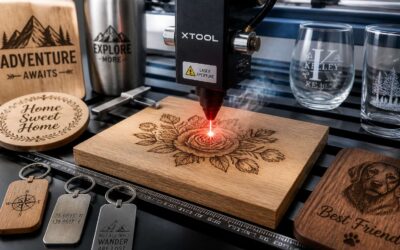
Powerful visuals emerge when brands lean on laser engraver machines to carve identity into wood, metal, and acrylic. In 2024, South Africa signage shops reported faster turnarounds and crisper edges, with customers noting a new level of permanence. “Precision sells,” a studio owner says, and the proof is in the etched details that withstand Cape sun.
Key applications range from signage to awards and personalized keepsakes.
- Signage and storefront graphics
- Awards, plaques, and nameplates
- Personalized gifts and corporate keepsakes
Case studies in Durban, Cape Town, and Johannesburg show measurable outcomes: accelerated production, reduced waste, and elevated brand storytelling through bespoke engraving.
Jewelry and accessory design
Precision at the speed of light: jewelry designers using laser engraver machines are slashing prototyping times by up to 40%, while delivering micro-etched details that endure Cape sun.
From monograms on sterling bracelets to delicate inlays on wooden pendants, these tools enable marks so fine they read like signatures.
- Monograms on sterling bracelets
- Micro-etched logos on cufflinks
- Custom inlays on wooden pendants
- Etched designs on acrylic sunglasses frames
In Durban, Cape Town, and Johannesburg, case studies show accelerated production, reduced waste, and storytelling that sells.
These outcomes come from the ability to plan exact depths, textures, and line work without the mess of traditional methods.
These stories prove that the right equipment can turn craft into lasting impressions.
Electronics labeling and PCB marking
Durban’s workshops, Cape Town’s labs, and Johannesburg’s design studios share a common obsession: marks that endure harsher conditions than a soldering iron. In SA, electronics labeling and PCB marking with laser engraver machines have boosted traceability accuracy by up to 22% in a year.
Case studies from these cities show durable serial codes, logos, and data-matrix marks on PCBs and housings, surviving flux, wave solder, and heat without fading. They prove you don’t need miracle inks when the engraving is precise and fast.
- Serial numbers
- Barcodes and QR codes
- Compliance logos
With the right setup on laser engraver machines, electronics assembly becomes a narrative of reliability and speed—and the marks stay legible through Cape sun and factory grime.
Industrial manufacturing and batch processing
Across Durban, Cape Town, and Johannesburg, laser engraver machines are transforming how manufacturers track every part from start to finish. In industrial manufacturing and batch processing, permanent, legible marks must survive flux, heat, and rigorous cleaning—and these systems deliver. Case studies from SA’s electronics corridors show durable serial codes and data-matrix marks on PCBs and housings, enabling fast traceability during high-volume runs.
With these systems, operators gain reliability and speed: fewer reworks, faster changeovers, and clearer QA checkpoints. The following factors matter in practice:
- Throughput and mark permanence under harsh production conditions
- Compatibility with batch record systems and data capture
- Audit-ready documentation for recalls and compliance
Creative and craft use cases
Across South Africa’s workshops, laser engraver machines are rewriting what’s possible in craft and industry. A Durban-based electronics maker recently reported a 40% drop in rework after embracing these systems—proof that traceability and precision can travel at the speed of creativity. Linked to this is a new standard for on-floor data capture.
Applications and case studies span from bold signage to heirloom-style jewellery and complex electronics housings. These marks endure flux, heat, and rigorous cleaning, turning every part into a story. Consider these craft and workplace uses:
- Custom jewellery inscriptions and branding
- Personalized corporate gifts and awards
- Electronics component labeling and serial data on housings
In practice, laser engraver machines fuse reliability with speed, enabling rapid changeovers and remarkable depth control. The result is durable marks that survive harsh environments and help QA keep pace with demand.

0 Comments