Understanding Laser Engraving Technology
How Laser Engraving Works
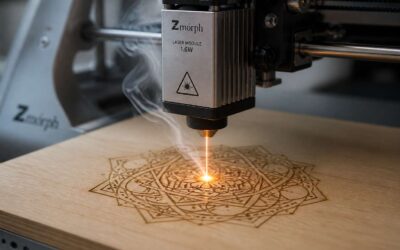
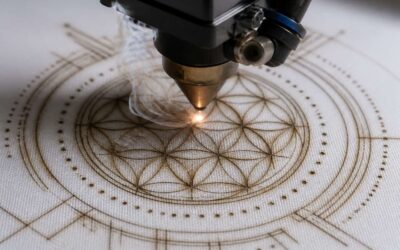
A laser engraving operation begins with a beam of coherent light. The beam concentrates energy to vaporise material, leaving a permanent mark. Unlike mechanical engraving, it never makes physical contact with the workpiece.
The process depends on three variables: power, speed, and frequency. Adjusting these controls the depth and the amount of heat absorbed. Different materials respond in predictable ways:
- Wood chars for a darker contrast
- Acrylic produces a frosted appearance
- Metal requires a marking compound
Each pass removes a controlled layer, and the final detail is remarkably sharp! That precision matters for any laser engraving kitchener project, from single prototypes to full production runs.
Key Differences Between Engraving, Etching, and Marking
The uninitiated assume engraving, etching, and marking are interchangeable. They are not. These distinctions shape the final product, and understanding them separates a thoughtful purchase from an expensive regret.
Laser engraving kitchener work typically involves engraving for depth, where the beam removes material to create a recessed design. Etching is shallower, melting the surface rather than cutting into it. Marking is the most superficial, altering colour or texture without breaking the surface.
Consider the applications:
– Engraving suits deep, tactile details and components exposed to wear.
– Etching handles fine artwork and parts that require surface detail.
– Marking handles serial numbers, barcodes, and traceability identifiers.
The application dictates the technique. A commemorative plaque calls for engraving. A circuit board needs marking. Confusing the three in a laser engraving kitchener project is a costly social faux pas.
Common Laser Types Used in Modern Engraving
Fiber lasers and CO2 tubes are the two dominant systems in modern engraving. A 100 watt CO2 laser cuts through 12mm acrylic in a single pass. A fiber laser burns crisp serial numbers into stainless steel in milliseconds. Choosing the wrong laser means scorched edges and wasted hours!
- CO2 lasers handle wood, acrylic, glass, and leather.
- Fiber lasers excel at metals, engineering plastics, and high contrast marking.
- Diode lasers provide portability but struggle with reflective surfaces.
For a laser engraving kitchener project, the machine dictates the finish. A rotary attachment turns cylindrical objects into engraving surfaces. Galvo heads move fast, while gantry systems carry larger, heavier pieces.
MOPA fiber lasers now adjust pulse width to produce colours on stainless steel. I have seen South African workshops pair both CO2 and fiber units for flexibility.
Popular Applications and Compatible Materials
Personalized Gifts and Keepsakes
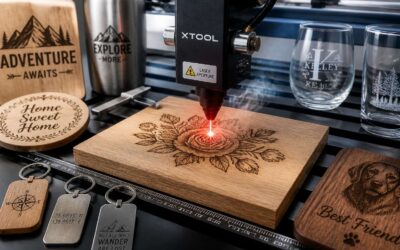
Over 70 percent of local engraving orders are driven by a single human impulse: the need to preserve a moment. In my experience, laser engraving kitchener turns ordinary cedar plaques and anodized aluminum into vessels of memory, objects meant to be handled for decades. The material matters as much as the sentiment.
Walnut, bamboo, slate, leather, and tempered glass all behave differently under the beam. Each requires a specific power and focus, yet all yield the same satisfying depth. The most requested keepsakes include:
- Wooden wedding favours carrying the couple’s initials
- Leather journals stamped with a newborn’s birth details
- Stone coasters bearing a portrait of a departed companion
These pieces, etched with care, become more than gifts. They become archives of affection, quietly outlasting the occasions that inspired them.
Industrial and Commercial Part Marking
A plant manager once told me, “When a part fails, we need to know which batch, which shift, which operator.” That demand for accountability is driving South African manufacturers toward permanent identification. Laser engraving kitchener delivers this traceability on components that shrug off adhesives and ink. The engraved mark survives oil baths, pressure washing, and temperatures that melt ordinary labels. Metal housings, valve bodies, and gear teeth all receive serial numbers, Data Matrix codes, and logos without altering their dimensions. Each material reacts differently to the beam.
Common industrial workhorses include:
- Stainless steel and titanium for medical implants and aerospace parts
- Anodized aluminum for electronic enclosures
- Hardened tool steel for drill bits and dies
- Ceramics and glass for sensing equipment
The same cabinet that marks a single prototype part can handle a million-unit run. That consistency, combined with the permanence of the result, makes laser engraving kitchener the default choice for shops that cannot afford second guesses. Even the plastic cable tie gets a clear identification mark these days!
Engraving on Wood, Acrylic, Glass, and Metal
Beyond the factory floor, the same coherent light that brands steel also breathes life into a slab of oak. Wood engraving rewards patience, revealing grain that no ink can mimic. Acrylic transforms under the beam, leaving a frosted edge that catches light. Glass requires a delicate touch, as internal stress can shatter when energy concentrates too suddenly. Metal, the unyielding counterpart, accepts a crisp contrast that withstands weather and friction.
Popular applications follow the material’s character:
- Wooden signage for lodges and wine estates
- Acrylic nameplates for office doors
- Glass awards and corporate trophies
- Raw aluminium for industrial tags
Laser engraving kitchener handles each substrate with adjustable focus and power curves. A single machine shifts from a rosewood keepsake to a titanium shim, swapping only parameters. That versatility explains why small studios and large fabricators share the same workhorse.
Custom Signage and Trophies
Custom signage and trophies serve a functional role, yet their impact runs deeper. A wooden sign identifies a lodge, and a glass trophy records a victory. The object’s value depends on engraving quality. Laser engraving kitchener transforms raw material into a finished piece, but each surface demands a distinct touch. Wood reveals natural grain, acrylic frosts with a clean edge, glass requires controlled energy to prevent shattering, and metal produces a permanent contrast. Calibration separates a professional result from a flawed one.
Consider the material’s influence on the final product:
- Hardwoods for rustic signage with visible texture
- Acrylic for sleek nameplates with luminous edges
- Glass for transparent awards that catch ambient light
- Brushed aluminium for industrial trophies with durability
The operator must read each surface’s response during the process. A poorly calibrated engraving diminishes a trophy’s prestige. A sign with uneven depth loses its authority. Laser engraving kitchener studios succeed through this attention to tolerance, aligning beam settings with material limits.
Jewelry and Fashion Accessories
Jewelry engraving has shifted from hand tools to laser precision, and the results appear on rings, pendants, and cufflinks. The process works across a surprising range of materials. A silver bracelet carries a monogram. A leather watch strap holds a name. Each piece demands separate attention.
Operators at laser engraving kitchener studios adjust for reflectivity, heat tolerance, and surface finish. Gold and platinum require lower power to avoid distortion. Titanium responds with a dark, permanent contrast. Leather burns softly, leaving a textured imprint that suits belts and wallet tags.
Popular pieces include:
- Rings and wedding bands
- Cufflinks and tie pins
- Watch cases and buckles
- Leather bracelets and key fobs
The fashion industry uses this technique for small-batch productions, giving designers the ability to personalize accessories without compromising their structural integrity.
Selecting a Laser Engraving Provider in Kitchener
Evaluating Equipment Capabilities
Choosing the right team for laser engraving kitchener work requires more than a quick online search. The equipment itself often separates a flawless finish from a costly mistake. When I visit a shop, I ask about wattage, bed size, and software compatibility. These details determine what they can handle.
A serious provider will also show you their maintenance logs. Consider these key capabilities:
- Rotary attachment for cylindrical items
- High resolution for fine text or logos
- Exhaust systems that prevent residue burn
Each of these affects the final piece. A provider who cannot explain their equipment choices will struggle with complex orders. For any laser engraving kitchener project, the gap between capable and unreliable often shows up in these small but critical details.
Reviewing Portfolios and Samples
Anyone can flash a glossy portfolio. When you review samples for laser engraving kitchener work, look at the pieces they didn’t stage for the camera. Ask to hold a finished item. Run your finger along the engraved edge. Burnt residue, shallow cuts, or wobbly lines tell you more than a thousand polished images.
A confident provider will happily show a range of past jobs. When you review their collection, check for these markers:
- Consistent depth across repeated runs
- Sharp corners on text and logos
- Clean contrast on woods and acrylics
If every photo looks perfectly lit, ask for the rejects. The best laser engraving kitchener teams keep their mistakes too. They learn from them. A flawless gallery might mean they simply delete the evidence.
Turnaround Times and Production Capacity
Time is the quiet currency of any engraving studio. A rush order can unravel the most disciplined workshop, and a provider who promises three-day delivery on a hundred identical plaques is either lying or cutting corners. Ask about actual throughput before you commit. Laser engraving kitchener studios that maintain their own machines and staff them with dedicated operators will quote honest lead times, not hopeful ones.
- How many jobs are currently in the queue?
- Do they run single shifts or continuous production?
- What happens when a batch is rejected halfway through?
Production capacity depends on more than the laser’s wattage. It depends on how many hours the operator is willing to burn and whether the workshop can absorb surprises. A small shop may give you more attention, but a larger one can scale. When comparing quotes for laser engraving kitchener work, be wary of anyone who cannot tell you where your job sits in the queue.
Pricing Structures and Quotes
Pricing for laser engraving kitchener projects rarely follows a simple formula. Some shops quote per piece, others bill by the hour, and a few do both depending on the material. Ask for a line item breakdown. Setup fees, material costs, and artwork preparation should appear separately. A single lump sum gives you no way to compare against a competitor.
Most reputable providers offer a sample run before a full batch. That sample might cost extra, but it reveals how the machine handles your material. A quote that excludes a test piece is built on assumptions.
- Ask if the price changes with quantity or stays flat.
- Ask about repeat order pricing, since a second batch often costs less.
- Ask who owns the digital file after the job finishes.
The cheapest laser engraving kitchener quote can become the most expensive after rework and shipping delays. A slightly higher quote that includes proofing and quality checks usually delivers better value.
Customer Support and Design Assistance
Choosing a laser engraving kitchener provider means looking beyond the machine. The right partner will ask about your intended use, your material preferences, and your timeline before touching a file. A provider who offers design assistance can turn a rough sketch into a clean vector file, saving you hours and preventing expensive rework.
A responsive support team matters when deadlines shift or materials change mid-project. You want someone who answers questions clearly and explains limitations before they become problems.
Consider whether the shop offers:
- File preparation and proofing
- Material recommendations
- Revision rounds before production
These services show a commitment to your outcome. A provider that treats design support as part of the job, rather than an extra, makes the process smoother. The best laser engraving kitchener experience comes from a shop that communicates well and guides you through each step.
Local Reputation and Testimonials
A shop’s reputation in Kitchener often lives in the stories people tell over coffee. Local testimonials reveal how a provider handles a tricky batch of acrylic or a last-minute metal tag order. I always ask for contactable references when choosing a laser engraving kitchener partner.
Look for patterns in online reviews, not just star ratings. A consistent mention of clean edges on glass or timely delivery on trophies means more than a polished website. Consider these markers:
- Photos of finished work posted in local business groups
- Repeat customers who mention specific jobs by name
- Responses to negative feedback spent solving the issue
A provider with deep roots in the region tends to uphold their name. One bad batch can undo years of goodwill. Testimonials from long standing clients show sustained trust, especially for laser engraving kitchener jobs where precision matters.
Customization Options and Design Considerations
File Formats and Vector Art Preparation
Customization starts with the artwork itself. For laser engraving kitchener projects, vector files like SVG, AI, or DXF give the laser a precise roadmap. Bitmap files such as JPEGs or PNGs introduce pixelation that becomes visible in fine details.
Design considerations often get overlooked. Minimum stroke widths of 0.5 mm, proper colour mapping for engraving versus cutting, and safe spacing between elements all influence the final result. A thin line can vanish entirely on darker wood.
- Convert every font to outlines first
- Scale the canvas to actual physical dimensions
- Remove mirrored or flipped layers unless intentional
Vector art preparation means closing open paths and merging duplicate nodes. These steps reduce errors and protect your material from wasted passes. Any professional laser engraving kitchener workshop will value a file that is machine ready.
Choosing Fonts and Graphics
Serif or sans, each font triggers a different perceptual response. For laser engraving kitchener, this choice shapes whether a piece feels authoritative or playful. Graphic selection works the same way. A logo must hold its identity from a small pendant to a large plaque.
I’ve noticed how line weight interacts with material. Delicate scripts on pine often blur, reducing legibility. Strong geometric shapes survive textured surfaces better. The relationship between positive and negative space determines the final impact.
Consider three factors:
- Stroke consistency across size ranges
- Cultural meaning of the typeface
- Balance between graphic and background
These details make an engraving appear intentional, not accidental.
Sizing, Depth, and Placement Choices
Sizing is where most customization decisions succeed or fail. A tiny logo on a large surface looks lost. A massive emblem on a pendant becomes unreadable. For laser engraving kitchener projects, I measure the physical space first, then scale the artwork to occupy roughly 60 percent of that area. Depth matters just as much, especially on soft woods like pine! Deeper cuts create shadow and contrast, but too much depth weakens thin materials such as acrylic.
Placement changes how people interact with the piece. Centered engravings feel formal. Offset designs feel modern. Consider how the object will be held or displayed:
- Raised lettering on coasters sits under drink rings often, so keep depth shallow.
- Wall plaques benefit from placement aligned with eye level.
Every piece of laser engraving kitchener work requires thinking about the material’s grain and edge before you commit.
Finishing Techniques and Post-Processing
Customization in laser engraving kitchener work extends beyond the image itself. The finish after the burn determines how the piece ages. Raw wood darkens with oil. Acrylic needs a polish to restore clarity after vaporization leaves a chalky residue. Metal benefits from a sealed surface to prevent oxidation from handling.
Consider the object’s life after delivery. A cutting board endures moisture and knife marks. A decorative plaque sits untouched. These realities shape both design and post-processing choices.
- Sand lightly to remove raised grain before applying finish
- Use food-safe oil for kitchen items
- Test sealants on scrap material first
Every piece of laser engraving kitchener work carries the trace of its making. The engraving is permanent, but the finish determines whether that permanence reads as intentional or accidental.
Caring for Laser Engraved Products
Cleaning Guidelines for Different Materials
A laser engraving is permanent, but the material around it remains vulnerable. The beam alters the surface at a microscopic level, and cleaning can either preserve or erode that alteration. Different substrates demand different approaches, so the first rule is to know what you are handling.
Most cleaning follows a simple set of rules:
- Wood: use a dry microfiber cloth and avoid water or solvents.
- Acrylic: wash with mild soap and lukewarm water, then air dry.
- Metal: uncoated surfaces tolerate isopropyl alcohol; coated finishes require a damp cloth only.
Clients seeking laser engraving kitchener services often overlook one detail: never submerge the engraved area. Immersion can force moisture into microscopic pores or behind protective coatings. Wipe from the centre outward with a soft, lint free cloth, and the engraving will stay sharp.
Protecting Engraved Surfaces from Wear
An engraved surface outlives the finish around it. The laser alters the material at a microscopic level, creating contrast that stays sharp while the surrounding area gradually wears. For laser engraving kitchener pieces, friction causes the most damage. Stacked tumblers rub, trophies get handled at the base, and jewellery brushes against other metal. The engraving remains intact, but the surface loses its original tone, which shifts how the marking reads.
Protection comes down to storage and handling. Separate engraved items, line drawers with soft material, and lift pieces from their edges. Sunlight fades colour-filled marks over time, so display pieces away from direct windows. Humidity makes wood expand and contract, which can stress a shallow engraving. A stable environment preserves both the marking and the material around it. These basic habits keep the work looking intentional for years.
Fading Prevention for Outdoor Items
Outdoor placement demands different care. The sun’s ultraviolet rays strip colour from many finishes, and rain accelerates that breakdown. For laser engraving kitchener work on patios or garden signs, the engraving often survives while the surrounding surface fades. The result is a mark that becomes harder to read over time.
Protective coatings offer the main protection. Clear UV blockers work well on acrylic and metal. Wood needs a penetrating sealer that resists moisture. For items stacked outdoors:
- Position them where they get morning sun only.
- Reapply sealer every season.
- Use stainless steel for maximum endurance.
These steps preserve the contrast between the engraving and its background. A small effort protects the visible difference.
Repairing or Refreshing Engravings
Permanence is a selling point for laser engraving kitchener work, but it is not absolute. A mistake or a worn surface can often be corrected. The original laser process removes material, so refreshing an engraving in the same spot will not always cut deeper. Instead, it may clean out accumulated grime or darkened residue, restoring the original contrast.
For light scratches on acrylic, a gentle flame or a plastic polish can return clarity. On painted metal, the engraved area often holds paint poorly. Scrub it clean, then apply a fresh coat of enamel directly into the depression. Wood behaves differently. A fade in the lettering might mean the wood itself has greyed, and sanding the entire surface is necessary before a new pass with the laser.
Consider these simple refresh options when the marks lose their punch:
– Re-engrave at a slightly lower power to smooth existing lines.
– Swab the engraving with solvent and a stiff brush.
– Use a coloured wax filler on wood and remove the excess.
A completely reworked design on a previously engraved surface is rare. The original depth is usually too shallow to alter. If you have moved or changed your contact details, a new plaque costs less than the frustration of a half-removed old one. It is wise to ask your engraver whether they offer a touch-up pass on their own work. Many do, especially for battery or signage that lives outdoors. That is the simplest way to keep laser engraving kitchener projects looking sharp for years.

0 Comments