Popular items suitable for laser engraving
Popular items that benefit from laser engraving
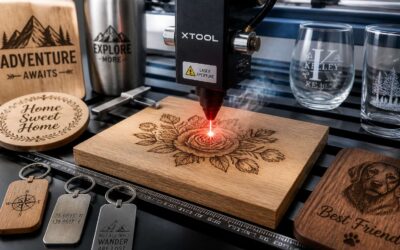
Craftsmanship endures—laser engraving items turn everyday objects into personal keepsakes. Precision marks in wood, acrylic, and metal capture moments with lasting clarity.
Popular items for laser engraving items include:
- Wooden chopping boards
- Leather wallets and journals
- Crystal glassware and tumblers
- Metal tags and signage
Each piece benefits from a clean, burnished finish that resists wear, making gifts and branding feel thoughtful and durable in South Africa’s markets.
Gift-worthy ideas for engraved items
In South Africa, a single engraved keepsake can outlive many conversations, turning a simple gift into a memory with real staying power. The world of laser engraving items invites a curious blend of practicality and poetry—precision etched details that resonate long after the moment.
Beyond the familiar, consider these gift-worthy ideas for laser engraving items that feel personal and purposeful:
- Personalized stainless steel water bottles
- Glass photo frames with milestone dates
- Wooden keepsake boxes for letters and treasures
- USB drives engraved with a name and message
Each piece carries a quiet mark of intention, cutting through the clutter with a burnished finish that endures in South Africa’s markets. These laser engraving items offer a subtle authority, a testament to craftsmanship and memory.
Categories commonly personalized with laser engraving
Memories endure where the shine never fades. In South Africa, laser engraving items turn ordinary objects into long-lasting keepsakes that outlive trends and chatter.
From my experience, the categories commonly personalized with laser engraving items fuse practicality with artistry. Corporate awards become tangible tokens; leather wallets and journals gain a personal stamp, and glass and acrylic pieces carry milestones with a quiet, burnished precision. Tech accessories—USB drives, phone stands, and tool-like pen bodies—bear a name or message with understated authority.
- Corporate awards and signage
- Leather goods such as wallets and journals
- Glassware and acrylic desk pieces
- Tech accessories including USB drives and phone stands
Budget-friendly gifts featuring engravings
“Personal touches turn ordinary objects into memories,” a South African designer says, and the claim lands with a gleam. In a market chasing novelty, laser engraving items offer lasting permanence that outlives chatter.
Budget-friendly gifts featuring engravings become small monuments: a USB drive that carries more than files, a leather wallet stamped with initials, or a journal etched with a milestone.
- USB drives
- Leather wallets
- Journals
- Glassware and acrylic desk pieces
They’re not merely objects but keepsakes, timeless yet contemporary—true keepsakes that speak softly and last.
Core materials for engraving projects
Wood, acrylic, metal, and glass: core materials overview
A single beam of light turns ordinary materials into keepsakes—laser engraving items can coax memory from wood, acrylic, metal, and glass. In South Africa’s design studios, these core materials are chosen for the story they tell: warmth, clarity, resilience, and lightness.
Wood carries the hearth in its grain; acrylic yields crisp, high-contrast lines; metal accepts deep, durable etching; glass reveals delicate, frosted silhouettes.
- Wood: warmth, natural grain becoming character
- Acrylic: razor-sharp contrast and clean edges
- Metal: lasting depth with a subtle metallic luster
- Glass: ghosted details that glow when light shifts
Surface preparation and finishing steps for engraving projects
“The grain never forgets,” whispers the workshop elder, and light answers in return. In South Africa’s studios, laser engraving items become heirlooms as wood, acrylic, metal, and glass yield to a patient, poetic prep and finishing dance.
Surface preparation and finishing steps unfold like a mythic rite: assess the material’s story, ensure a dust-free, flat plane, and decide on masking and fixturing to protect and position the work. The finishing phase then selects depth, gloss, and durability to harmonize with the piece’s character.
- Cleanliness and flatness align the surface
- Masking and fixtures guide the beam without harm
- Finishes balance wear with texture and glow
These choices frame the final glow of laser engraving items, where warmth, clarity, resilience, and lightness emerge as the story’s living colour.
Coatings, paints, and treatments to enhance engraving results
Coatings, paints, and treatments are the glittering afterword to the laser’s story—especially when shaping laser engraving items into heirlooms. In South Africa’s studios, a careful layer can sharpen contrast, seal grain, and coax a longer life from the piece. The right finish tames heat-affected zones and makes lines legible in any light while keeping the material’s character intact. Each surface asks for a different spell: wood loves warmth from oil-based sealants; metal benefits from patinas that endure; glass benefits from clear, stable top coats.
- Sealants and varnishes that deepen grain on warm woods
- UV-stable clears for acrylic and pale metals
- Etching-friendly paints for enhanced contrast on dark surfaces
Materials to avoid and compatibility notes
In SA workshops, the substrate is the unsung hero behind laser engraving items. A sharp grain and the right surface treatment can turn a bold design into a keepsake. “Choose the grain before the glow,” a seasoned engraver says, and the lesson sticks.
Wood, acrylic, metal, and glass each respond to different realities in laser engraving items. Wood drinks in oil-based sealants; acrylic loves UV-stable clears for clarity; metal benefits from durable patinas or coatings; glass takes stable top coats to keep lines legible while resisting heat.
- Materials to avoid: PVC and vinyl laminates, chlorine-containing plastics, and unknown coated surfaces that outgas or warp under laser exposure.
- Compatibility notes: CO2 systems excel on wood, acrylic, and leather; metals usually need a coating or a fiber laser; glass responds well to stable top coats and controlled heat.
Cost, availability, and sourcing considerations
Every laser engraving project begins with a material choice. “The grain guides the glow,” a veteran engraver likes to say, and the line between craft and cost tightens here. Core materials for engraving projects—wood, acrylic, metal, and glass—shape finish, speed, and the lasting feel of your laser engraving items as they travel from prototype to keepsake.
Cost and availability hinge on grade, thickness, and finish, plus proximity to trusted suppliers here in South Africa. Local stock can keep turnaround lean, while imported options may offer unique aesthetics but add lead times and duties. For consistent results, balance price with reliability and the ability to source in small runs or bulk when needed.
- Local SA suppliers and distributors with quick restock
- Trade outlets versus hobby shops for project scale
- Lead times, minimum order quantities, and shipping duties
When you plan laser engraving items, cost control often starts with understanding supply chains, not just the tool. A mindful choice today seeds a flawless run tomorrow.
Design and technique considerations for engraving projects
Design tips for optimizing engravings on items
Engraving designs are sigils whispered into material, where a single well-placed line can outshine metal and marble alike. For laser engraving items, bold silhouette and clean legibility travel farther than flash. The challenge is to balance contrast, depth, and texture so the message remains legible from every angle.
- Contrast between engraving and background finish
- Font weight, spacing, and legibility
- Alignment, symmetry, and focal points
- Depth versus surface texture to maximize drama
On the technique side, vector sharpness, edge crispness, and respectful kerf management guide the craft. Align your motif with the material’s personality—grain on wood, polish on glass—and let negative space carry the narrative. A calm, deliberate approach elevates standard engravings into story-bearing artifacts.
Typography and legibility: fonts, stroke width, spacing
“Typography is the soul of an engraved message,” a seasoned craftsman insists, and in laser engraving items, the font choice can outshine the surface itself. Readers notice rhythm, not just letters, when light and grain play together.
Font weight, spacing, and legibility must be tuned to the target material. Sans serifs read cleanly on metal and glass; serif families can add gravitas on wood with careful stroke width. Keep x-height generous and avoid overly tight tracking that vanishes at distance.
- Font weight versus stroke width to maintain contrast
- Spacing and kerning for breathing room
- Alignment and baseline consistency across lines
- Testing on scrap material to confirm legibility
Fine-tune line breaks, contrast with background finish, and respect kerf so lines remain crisp. When tested on the actual laser engraving items, the narrative reads smoothly from multiple angles, turning simple inscriptions into timeless artifacts.
Vector vs raster engraving and when to use each
In laser engraving items, the design must breathe at scale. A veteran craftsman says, “Lines speak louder when the space around them is respected.” Vector engraving uses paths, delivering crisp, scalable outlines—perfect for logos and typography that must stay sharp on metal, glass, or wood. Raster, by contrast, shades with dots to reproduce texture and photos, but edge clarity fades at small sizes. Material finish, curvature, and viewing distance dictate the best approach.
- Vector engraving: crisp edges, scalable for logos and type; ideal on metal, glass, and plastics with clean, confident lines.
- Raster engraving: subtle shading and texture; great for photographs and gradients but watch edge fidelity on curved or textured surfaces.
Used thoughtfully, this design balance makes laser engraving items feel timeless, not generic, whatever material is chosen.
Color, shading, and grayscale options in engraving
Clarity is currency in laser engraving items. A veteran craftsman reminds us that lines speak louder when the space around them is respected. Design and technique hinge on color, shading, and grayscale choices that stay legible from three steps back to the display case here in South Africa.
Color, shading, and grayscale options shape legibility and texture across surfaces. On metal or glass, bold contrasts read crisply; on wood, subtle grayscale conveys depth without fighting the grain.
- Color accuracy and contrast relative to the base material
- Shading depth and dot patterns for texture
- Grayscale mapping for smooth gradients on curved surfaces
Finish and coating choices subtly alter depth and contrast, shaping the final impression of the piece.
Layout planning, proofs, and test engravings
Layout planning is the quiet architect behind every piece of laser engraving items. A precise map of size, type, and placement prevents chaos when the laser hums to life.
Proofs—digital mockups and physical proofs—set expectations before a cut. They help verify scale, orientation, and legibility, especially on curves and varied surfaces.
- Material behavior shapes proof outcomes
- Font, kerning, and stroke influence legibility
- Margins and kerf allowances guide edge cleanups
- Test engravings on scrap to check curvature
Test engravings and proofs loop through multiple iterations—an essential ritual that saves material and time while elevating the final impression of your work.
Purchasing, safety, and quality control for engraving projects
Choosing equipment and accessories for engraving projects
“Quality is never an accident,” John Ruskin said, and the same truth applies to laser engraving items in South Africa. The right buying choices—reliable machines, compatible optics, and thoughtful accessories—create a durable base for every project, from personalised gifts to corporate branding. A clear safety plan follows—essential for SA workshops.
Safety and training matter more than flashy specs! Ensure proper training, ventilation, and PPE for every session.
- Eye protection, flame-resistant gloves, and appropriate apparel
- Stable workholding and adequate ventilation or fume extraction
- Pre-run checks: power, focal length, and material compatibility
Quality control is the final guardrail. Run a quick test on a scrap sample, log the settings, and verify each batch against specs. For laser engraving items, keep calibration and maintenance records and confirm coating compatibility to prevent surprises.
Safety guidelines and PPE for engraving work
Purchasing power that lasts starts with choosing reputable suppliers, genuine parts, and local after-sales support in South Africa. For laser engraving items, invest in machines from brands with service networks, spare parts in stock, and clear warranties; it ensures your studio stays productive and compliant.
- Eye protection that meets standards
- Flame-resistant gloves and sturdy apparel
- Stable workholding and proper ventilation
Quality control matters here: safety guidelines and PPE are just the start; implement ventilation, pre-run checks for power, focal length, and material compatibility, and keep logs of calibration, maintenance, and coating compatibility to prevent surprises.
Maintenance and calibration for consistent results
Downtime can be the sly dragon that gnaws margins; in SA workshops, 10% to 12% of monthly output often vanishes to tune-ups and setting changes. Smart purchasing keeps that dragon at bay: choose reputable suppliers, genuine parts, and local after-sales support. For laser engraving items, invest in machines from brands with service networks, spare parts in stock, and clear warranties.
Eye protection that meets standards, flame-resistant gloves, and sturdy apparel are the shield-wall around any project. Stable workholding and proper ventilation help the spell stay true and the machine sing.
- service networks that span major SA cities
- spare parts readily in stock
- clear warranties and responsive support
Quality control matters here: safety guidelines and PPE are just the start; Maintenance and calibration for consistent results. Maintain ventilation, keep logs of calibration and coating compatibility, and ensure ongoing compliance to prevent surprises.
Quality control: testing protocols and documentation
Downtime in SA workshops is a quiet tax on margins—10% to 12% of monthly output vanishes into tune-ups. We know that. Smart purchasing keeps that dragon at bay. For laser engraving items, choose brands with service networks spanning major SA cities, spare parts readily in stock, and clear warranties with responsive support.
- service networks that span major SA cities
- spare parts readily in stock
- clear warranties and responsive support
Eye protection that meets standards, flame-resistant gloves, and sturdy apparel form the shield around every project. Stable workholding and proper ventilation help the spell stay true and the machine sing.
Quality control matters here: safety guidelines and PPE are just the start. Maintain ventilation, keep logs of calibration and coating compatibility, and ensure ongoing compliance to prevent surprises.
Ethical, legal, and brand considerations for engraved items
In the realm of laser engraving items, smart purchasing is a shield against downtime and margin erosion. A dependable supplier network keeps South Africa’s workshops humming: service networks that span major South Africa cities, spare parts readily in stock, and clear warranties with responsive support.
- service networks that span major South Africa cities
- spare parts readily in stock
- clear warranties with responsive support
Eye protection that meets standards, flame-resistant gloves, and sturdy apparel form the shield around every project. Proper ventilation helps the spell stay true and the machine sing. Maintenance logs, calibration checks, and coating compatibility notes become the quiet chorus that preserves safety and quality.
Ethical, legal, and brand considerations shape engraved outcomes: respect trademarks, avoid reproducing protected designs, and ensure you have the right permissions. When shopping for laser equipment, compatibility with your branding goals matters as much as price—and so does transparent documentation and warranty terms.

0 Comments