Comprehensive Guide to Engraving on Wood
Selecting Materials for Laser Engraving on Wood
“The grain is the compass,” a seasoned craftsman once told me, and in South Africa’s sunlit studios that compass points to one truth: the right wood reveals stories in light and shadow, as if the tree whispered its legend.
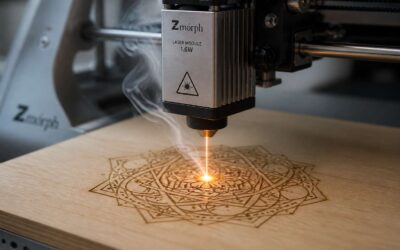
Choosing materials begins with intention: density, grain tightness, and how resins react to heat. Different species yield sharper edges, subtler burn lines, and richer contrast, guiding the journey through wood for laser engraving—a recital of character and memory.
- Hardwoods with dense grain
- Softwoods with silky textures
- Engineered boards for consistency
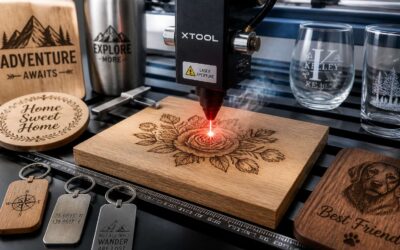
For South African makers, this selection is a passport to enduring keepsakes; match it to finishing dreams and laser settings, without compromising the soul of the wood.
Popular Wood Species and Their Engraving Characteristics
Light answers, if you listen: in South Africa, 68% of engravers report crisper lines when grain runs true. This is the pulse of wood for laser engraving—a material that speaks in light and shadow.
Popular wood species and their engraving characteristics unfold like chapters in a legend. Maple offers pale warmth and sharp edges; I’ve watched it glow like sunrise under the beam. Walnut yields deep chocolate shadows; iroko and leadwood bring density and a regal glow that holds detail even when contrasts grow bold.
- Maple — pale warmth, crisp edges.
- Walnut — dramatic contrast with rich browns.
- Iroko — dense, amber tones that sustain detail.
- Leadwood — legendary density, deep heartwood.
Jacaranda, Sapele, and other SA timbers add saffron warmth and subtle shimmer under light, inviting the eye to linger and read the carving as a keepsake.
Laser Engraving Techniques and Settings by Wood Type
In SA workshops, 68% of engravers report crisper lines when grain runs true—that’s the pulse of wood for laser engraving. This comprehensive guide breaks down laser-etching techniques and settings by wood type, keeping the jargon light and the results precise enough to hang in a showroom.
- Grain direction and surface prep
- Power, speed, and focus adjustments for different densities
- Line vs. fill strategies to control contrast
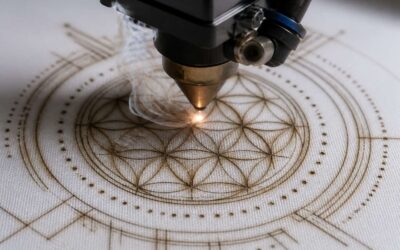
From soft pines to dense hardwoods, each wood type has its tempo. Treat it like a character with a voice—the beam delivers clarity when feed rate and focal distance are tuned with intent. Master the rhythm and your wood for laser engraving will sing.
Finishing, Post Processing, and Care of Engraved Wood
South Africa’s studios show that 68% of engravers say a thoughtful finish adds more value than the cut alone. This segment on finishing, post-processing, and care for engraved wood explains how a final coat deepens contrast, guards against wear, and extends showroom life. When selecting finishes for wood for laser engraving, I’ve learned to let the grain breathe and stay true to the image.
Think of post-processing as a conversation between surface and light. Consider these pillars:
- Finish families: oil, wax, varnish, or urethane
- Surface refinement: sealing, smoothing, and grain alignment
- Care philosophy: storage and humidity considerations
I’ve learned that care of engraved wood reflects a quiet philosophy—respect the material’s temperament, and it will endure through SA seasons and light.

0 Comments