Understanding laser engraving basics
What is laser engraving and how it works
In South Africa’s vibrant studios, laser engraving turns everyday objects into artifacts, speeding through production with surprising ease. I’ve watched ideas bloom as a focused beam traces clean lines across wood, leather, and metal—a quiet magic behind the craft. can laser engraving deliver the precision you crave? Yes.
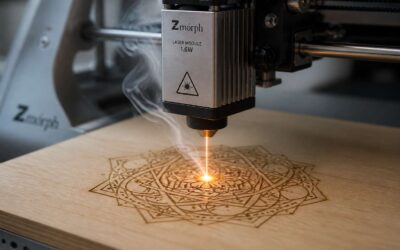
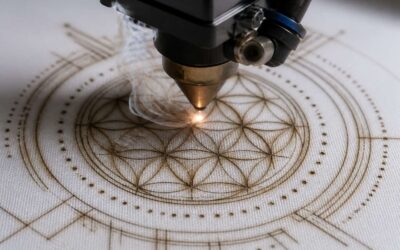
What is laser engraving, and how does it work? It’s a focused beam that removes material or alters the surface, creating marks by ablation or burning. The result depends on power, speed, and dwell time; different wavelengths and lenses shape the line, shade, and texture for crisp detail.
- Materials: wood, leather, acrylic, glass, metal
- Effects: crisp etch, subtle shading, deep relief
- Considerations: power, speed, and focal length
In the South African context, this technique supports personalisation and storytelling across design-focused brands.
Key components of a laser engraving setup
<pAcross South Africa’s design studios, personalised keepsakes are driving small-batch success — industry chatter points to a 38% uptick in laser-engraved orders last year. So, can laser engraving translate vision into mark and meaning? The answer starts with understanding the basics and the setup that makes precision possible.
- Laser source and power control
- Focusing optics and clean air assist
- Motion system and software-driven tooling
- Secure workholding and material preparation
- Safety enclosure and monitoring systems
<pWhen these elements align, a quiet discipline emerges: a beam that respects material grain, a bed that holds fast, and software that translates sketch to surface with quiet confidence. In South Africa’s vibrant studios, this practical elegance unlocks both craft and story in wood, leather, and metal.
Raster vs vector engraving explained
In a country where craftsmanship meets possibility, a beam of light can turn memory into mark. A South African survey finds 87% of boutique makers say laser engraving lifts perceived value. What can laser engraving do for your brand? It transforms everyday objects into keepsakes that endure—elegant, subtle, and unmistakably yours.
Raster and vector are the two dialects of this art. Raster engraving chips away in pixels, creating shading and photo-like textures, but it’s sensitive to resolution. Vector engraving traces crisp lines and scalable edges, best for logos and type.
- Raster: bitmap-based, rich in gradation, resolution dependent
- Vector: path-based, scalable, crisp on any size
Understanding the contrast helps South African studios marry design with material and meaning. When you explore can laser engraving for commemorative pieces or product branding, the choice between raster and vector becomes a story decision.
Initial setup tips for accurate results
Across South Africa’s craft studios, 87% of boutique makers report laser engraving lifts perceived value. That resonance isn’t luck; it starts with understanding how light interacts with materials and what the workflow demands at the bench!
Understanding initial setup hinges on one idea: precision begins before the beam. I tune focus, secure the work, and anticipate the material’s character—grain, porosity, and finish—before any impression is made. When you ask can laser engraving achieve consistency, the answer lies in aligning these variables long before a first pass!
Consider these high-level anchors:
- Focus accuracy and beam alignment as a guiding principle
- Material variability and surface preparation affect results
- Machine stability and environmental control protect repeatability
- Documentation of settings for future projects preserves brand consistency
With patience, the craft reveals its potential: a quiet mark that endures on glass, wood, and metal, speaking of South Africa’s artisanal spirit—and the promise of branding!
Safety considerations and best practices
In South Africa’s studios, the laser is a patient architect, carving time into the surface with quiet certainty. can laser engraving deliver consistent marks across glass, wood, and metal? Understanding the basics—how light engages grain, porosity, and finish—reveals that safety and setup are not afterthoughts but forewords to enduring clarity.
Safety considerations keep the craft humane and precise, shaping outcomes as much as the beam itself. The bench hums with vigilance, not bravado.
- PPE and eye protection—always
- Ventilation to manage fumes and dust
- Material verification and clean, scratch-free surfaces
Best practices emerge from patient observation: document tested settings, respect environmental stability, and allow the material character to inform the mark—avoid forced rhythm and embrace measured anticipation.
Common terminology you should know
In South Africa’s sun-warmed studios, the laser hum marks time with calm certainty. A shared glossary turns hesitation into precision, and the cost of fuzzy language is extra trials. “The right term is the first tool you touch,” a veteran engraver reminds us. Understanding can laser engraving basics guides the work from desk to bench.
Here are a few essential terms that thread through the craft:
- Kerf: width of material removed by the beam
- Dwell time: how long the beam sits on a spot
- Focus: the distance from lens to workpiece for sharp marks
These terms bridge concept and craft, turning light into lasting marks, much like a quiet hand turning rough timber into a keepsake.
Materials, finishes, and visual effects
Materials commonly engraved (wood, acrylic, metal, leather)
A recent industry survey finds that 9 out of 10 shoppers crave a personal touch. For those seeking that touch, materials like wood, acrylic, metal, and leather become canvases where micro-bursts of light translate memory into form. This is where can laser engraving meets craft, delivering precision that withstands Cape winds and sun-drenched summers! In South Africa’s bustling studios, choice of substrate guides the contrast, depth, and longevity of the mark.
- Wood
- Acrylic
- Metal
- Leather
Finishes and visual effects hinge on material and technique. Wood can yield warm, shadowed grain; acrylic glows with a frosted line; metal takes on sharp, dark contrasts; and leather darkens with a subtle, charred patina.
Setting the right power, speed, and passes by material
Across South Africa’s studios, a personal touch moves goods from novelty to necessity. Nine out of ten shoppers crave it, and can laser engraving makes memory tangible. The technique translates memory into form with precision that holds up against Cape winds and sun-drenched summers.
Your substrate choice guides contrast, depth, and longevity. Wood yields warmth and shadowed grain; acrylic carries a frosted glow; metal delivers sharp contrasts; leather darkens to a smoky patina. Each material asks a different hand from the laser, shaping how the mark reads at a glance.
Setting the right power, speed, and passes by material is not guesswork. For wood, lighter power with steady speed preserves grain. Acrylic benefits from a gentle touch to avoid melting. Metal asks patience—more passes to build depth without scorch. Leather responds to restrained power with a lasting edge.
Key balancing factors:
- Power
- Speed
- Passes
Finishes and color effects achievable with engraving
Materials govern the mood of an engraving: wood warms with grain, acrylic glows with a frosted edge, metal sears into sharp relief, leather darkens to a smoky patina. For each substrate, surface prep and laser settings shape the final read. What can laser engraving achieve for your project? The answer lies in controlled contrast and the interplay of light and shadow, not in a single mark but in a family of effects you can dial in.
- Wood: warm tones, preserved grain, subtle char
- Acrylic: frosted glow and clean edges
- Metal: high-contrast etching that withstands sun and salt
Finishes read differently across materials: a light pass on wood keeps the grain, while leather gains a smoky patina and character with restrained depth. The color comes from the substrate itself, aging gracefully under South African light and climate.
Deep engraving versus shallow marks: when to choose
Light is a solvent for memory, and in South Africa that memory lasts. “Engraving is a dialogue between light and matter,” goes the saying, and with laser precision you dial its mood.
Materials establish mood. Wood carries warm tones and preserved grain that age gracefully; acrylic yields a frosted glow with clean edges; metal etches with high contrast that withstands sun and salt.
- Wood
- Acrylic
- Metal
Finishes read differently across materials: a light pass on wood keeps the grain, while acrylic glows with a frosted edge and metal sears into crisp relief. Deep engraving provides lasting contrast; shallow marks preserve subtle texture.
This is what can laser engraving achieve for your project.
Surface prep and post-processing tips
Materials set the mood. Wood carries warm tones and preserved grain; acrylic yields a frosted glow with clean edges; metal etches with high contrast that withstands sun and salt. Each material responds to laser light differently, guiding decisions before you dial in power and speed.
Finishes read differently across materials: a light pass on wood keeps the grain visible, while acrylic glows with a frosted edge and metal sears into crisp relief. Deep engraving provides lasting contrast; shallow marks preserve subtle texture. This is what can laser engraving achieve for your project.
- Clean and degrease surface
- Mask edges for delicate lines
- Gently sand or abrade as needed
- Test on scrap and adjust power and speed
Post-processing can lock in the look—an SA climate calls for a UV seal on acrylic and a durable coat on metal to reduce micro-fracking, especially in South Africa’s sun.
Troubleshooting material-specific issues
Material choice sets the stage. Wood brings warmth and character, acrylic offers a frosted glow, and metal delivers high-contrast relief that holds up under SA sun and coastal salt. In the hands of a craftsman, can laser engraving turn raw material into stories.
Finishes read the story differently across substrates. Wood keeps the grain visible; acrylic sharpens the glow; metal holds edges with precision. The balance between depth and tone shapes the final look, especially when outdoor conditions in South Africa test colorfastness and resilience.
Visual effects emerge from light interacting with depth, texture, and edge. Subtle shading reveals grain; deep engravings maximize contrast; shallow marks preserve tactile nuance and restrained elegance.
Troubleshooting material-specific issues highlights the quirks of each substrate.
- Wood—scorching, grain loss, or uneven texture
- Acrylic—opacity changes, fogging, or edge glow
- Metal—discoloration, burrs, or inconsistent shading
Applications and markets for laser engraving
Personalized gifts and custom items
Straight from the heart of South Africa’s gift economy, personalized gifts and custom items move faster than the herd at a craft market. In fact, customized pieces drive higher average order values and repeat business, turning small shops into destination brands. This is where can laser engraving becomes a quiet force, shaping keepsakes that feel one-of-a-kind rather than mass-made.
Markets embracing this craft include:
- retail gift stores and online boutiques
- weddings, anniversaries, and event souvenirs
- corporate gifts and client rewards
- memorials, trophies, and recognition plaques
- local crafts, tourism mementos, and branded merchandise
With fast turnaround and durable, precise results, the appeal is tangible—customers walk away with items that tell their story.
Branding, awards, and corporate gifts
South Africa’s brands are learning to tell a story on everyday objects. “The best gifts outlive the moment,” as one craftsman notes. With can laser engraving, ordinary items become keepsakes that embody a brand’s ethos—sleek, precise, and built to endure. This approach elevates branding, awards, and corporate gifts from everyday swag to meaningful tokens that clients and colleagues are proud to display!
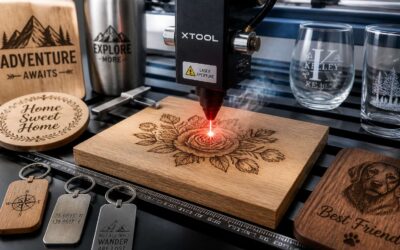
- Branded glassware and drinkware for conferences and client events
- Metal or acrylic awards and recognition plaques
- Custom desk accessories such as nameplates and pen stands
Across markets, the combination of speed, durability, and personal touch helps smaller shops stand out in a crowded field. In South Africa’s vibrant business landscape, laser-engraved pieces carry stories—without the mass-made sameness—and invite ongoing conversations with customers and partners.
Signage, plaques, and architectural models
Signage, plaques, and architectural models become vessels for precision, a realm where can laser engraving takes center stage. Thin lines carve through glass with quiet clarity, brass plaques gleam with understated dignity, and scale models gain tactile depth that invites careful inspection. Permanence is built into the mark, weathering light, touch, and time while spaces speak with a quiet, enduring authority.
Markets across South Africa and neighboring regions lean into this craft for spaces that welcome visitors and dignify milestones. Some arenas where the craft shines include:
- Corporate offices and campuses seeking clear wayfinding and dignified recognition pieces
- Hospitality and retail environments craving durable branding accents
- Architectural firms, galleries, and museums requiring precise detail on models and display pieces
- Educational institutions and venues hosting exhibitions, ceremonies, and commemorations
Across these applications, speed, durability, and a tactile memory elevate ordinary surfaces into ambassadors of a space’s story.
Jewelry, accessories, and fashion items
Across South Africa’s vibrant design studios, jewelry, accessories, and fashion pieces become portable canvases that tell stories of micro-detail and lasting craft. This is where can laser engraving proves its worth, slicing clean lines into metal, leather, and acrylic to turn ordinary pieces into tactile keepsakes. Designers celebrate the precision that reveals grain, line, and texture with quiet authority.
Key markets include:
- Fine jewelry designers crafting personalized rings and pendants
- Accessory brands creating durable branded clasps, tags, and logo accents
- Fashion houses developing limited-run embellishments and gift items
From boutique platforms to high-end ateliers, the craft adds a durable, story-laden signature to every item.
Hobbyist projects vs professional work
Across South Africa’s design studios, vibrant teams turn metal, leather, and acrylic into lasting stories. The question “can laser engraving” sits at the heart of my conversations with designers, guiding hobbyists and professionals alike into a world of precise, tactile possibilities. Quick turnaround and customised flair are driving demand, even in boutique markets.
- Hobbyist projects: bespoke tags, personalised gifts, model components
- Professional work: branded hardware, prototype parts, awards plaques
- Cross-sector opportunities: signage, interior accents, corporate gifts
In South Africa, studios and maker spaces tailor laser engraving to local craft, manufacturing, and design sensibilities, turning ideas into durable, moveable stories that travel from workshop to marketplace with confidence.
Industry use cases: manufacturing and packaging
Across manufacturing floors and boutique studios, the question can laser engraving unlock precision without the clutter of tooling. The answer glitters in the air: clean marks, rapid changeovers, lasting identity.
In manufacturing and packaging, laser engraving marks components, encodes batch data, and seals tamper-evidence on metal, plastic, and glass. It streamlines QA while preserving aesthetics for premium goods.
- Serialisation and traceability on assembly lines
- Tamper-evident seals on packaging
- Product labels and shelf-ready signage
- Prototype part branding and fittings
South African studios tailor these marks to local craft, turning raw materials into durable brand stories that move from workshop to market with confident rhythm.
Maker spaces across Cape Town to Gauteng blend tooling with tradition, serving design sensibilities that value function and flair. It travels from workshop to marketplace with confidence.
Choosing equipment, software, and workflow
Types of laser systems and what they’re best for
Choosing the right laser system is where craft meets commerce; “the right tool makes the outcome feel inevitable,” as one veteran operator likes to say. For can laser engraving, match the system to your common jobs—signage, gifts, or industrial tags—so margins stay sharp and rework stays in check.
- CO2 systems: versatile for wood, acrylic, leather
- Fiber systems: metals and coated materials
- UV/diode systems: precision on plastics and glass
Software and workflow knit everything together. Use design tools you trust, and embrace a repeatable process that keeps files organized and settings consistent. For laser engraving, a predictable workflow saves time and improves consistency, especially in SA shops with local support.
Selecting optics, power, speed, and pass settings
Choosing the right setup starts with the job. Can laser engraving shines when you match equipment and software to your most common tasks. As one veteran operator says, “The right tool makes the outcome inevitable.” That mindset keeps margins sharp and rework low for signage, gifts, and industrial tags.
Optics matter: pick a lens and focal length that suit your material. Different substrates demand the right balance of focus, power, speed, and passes to avoid defects.
- Optics: lens type and focal length
- Power: wattage and modulation
- Speed: engraving vs traversal speeds
- Passes: number of passes for depth and burn-free surfaces
A repeatable software workflow ties it together. Save presets, organize designs, and calibrate between runs. In SA shops, local service and spare parts support the same predictable outcomes.
Design preparation: raster vs vector workflows and file formats
A well-tuned workflow can cut production retries by as much as a third. Design preparation sets the pace for can laser engraving. Raster workflows excel with photographic textures; vector workflows deliver crisp lines and scalable outlines. Match file intent to the job: crisp outlines for signage, embedded textures for shading, and consistent data to minimize surprises in production for gifts and industrial tags.
Common formats move smoothly through the shop:
- Vector: SVG, AI, DXF – scalable outlines for engraving
- Raster: PNG, TIFF, JPG – textures and photos that pop
- PDF – flexible container for mixed vector and raster elements
In SA studios, a repeatable software workflow ties it all together: save presets, organize designs, calibrate between runs, and keep engraving consistent from prototype to production.
Software tools and practical tips for clean engravings
Choosing equipment, software, and workflow for can laser engraving becomes a quiet, almost tactile act of trust. A well-tuned workflow can cut production retries by as much as a third. In South Africa, that edge translates into faster turnarounds for gifts, awards, and signage.
- Choose software with robust presets and asset libraries
- Test material compatibility before committing to hardware
- Invest in reliable optics and fixturing for repeatable results
- Prefer universal file formats that preserve data integrity
Software tools that render accurate previews and non-destructive edits empower teams to keep engraving clean across prototypes and production. I’ve seen how a repeatable workflow—presets, organized designs, and mindful data management—reduces surprises and frees creative minds to focus on texture, depth, and the subtle poetry of each mark.
Maintenance, safety, and calibration routines
Consistency is profit. For can laser engraving, maintaining your gear is more than upkeep—it’s a discipline that protects margins and reputations. In South Africa, a disciplined routine cuts rework and keeps production humming.
- Inspect optical surfaces, keeping lenses and mirrors free of dust and fingerprints.
- Verify focus and fixturing to support repeatable marks.
- Check cooling, exhaust, and electrical connections to prevent drift.
- Record calibration notes for traceability and future audits.
Calibration routines keep the marks faithful. Run a calibration check and compare against a baseline; adjust power, speed, and focal offset as needed, and log results for traceability. For can laser engraving, this discipline curbs drift and surprises, keeping quality steady.
Cost, ROI, and budgeting for a laser engraving project
Choosing equipment, software, and a clean workflow isn’t just about capability; it’s a budgeting exercise that shapes margins. When evaluating can laser engraving setups, savvy buyers weigh upfront costs against long-term ROI, factoring purchase price, maintenance, and the learning curve. In South Africa’s competitive market, a disciplined procurement mindset protects margins, keeps production humming, and builds credibility with every delivered job.
- Capital outlay for the laser system and essential optics
- Software licenses, file preparation tools, and workflow automation
- Ongoing maintenance, consumables, and energy usage
With budgeting aligned to demand, ROI emerges as uptime, consistency, and repeat business—hallmarks of a can laser engraving program that scales in South Africa.
SEO strategy and customer-focused content for engraving services
Understanding user search intent related to laser engraving
Two-thirds of South African shoppers begin their online journeys with a search and rarely scroll past the first page. This is the terrain where content designed for can laser engraving searches becomes your most valuable entry point. It isn’t about jargon; it’s about anticipating needs and inviting curiosity.
Think in terms of intent: informational, comparison, and purchase-oriented queries.
- Informational: answers to what, how, and why about materials and outcomes
- Comparative: how options stack up against alternatives
- Transactional: readiness to request quotes or samples
From a South African perspective, customer-focused copy means telling stories of craft, reliability, and local service. We aim to ensure readers see themselves using the service for gifts, branding, or signage, turning curiosity into trust. This is where can laser engraving searches translate into choice.
Content ideas to capture long-tail queries
Two-thirds of South African shoppers begin their online journey with a search and rarely scroll past the first page. That’s the terrain where content crafted for can laser engraving searches becomes your most valuable beacon. It isn’t about jargon; it’s about anticipating needs and inviting curiosity. Readers who wonder can laser engraving deliver durable, precise results across wood, acrylic, and metal are guided by tone, clarity, and local relevance.
Think in terms of intent: informational, comparison, and purchase-oriented queries. From a South African perspective, customer-focused copy tells stories of craft, reliability, and local service—helping readers picture gifts, branding, or signage. To capture long-tail queries, we frame content around questions and outcomes readers naturally search for.
- Informational angles: what materials work best, durability, and outcome expectations
- Comparative angles: how options stack up against alternatives
- Transactional angles: inviting quotes or samples
Pricing transparency and service descriptions that convert
Two-thirds of South African shoppers start their online journey with a search, and most won’t scroll past the first page. In that terrain, content built around can laser engraving searches becomes a trusted beacon. It’s not about jargon; it’s about anticipating needs and inviting curiosity. Readers wonder: can laser engraving deliver durable, precise results across wood, acrylic, and metal? Tone, clarity, and local relevance steer them toward your services.
To turn interest into inquiries, SEO-aware copy must stay customer-focused and pricing transparent. Service descriptions should spell out what’s included, expected lead times, and guarantees—without hidden add-ons.
- Clear, itemised pricing for each engraving option
- Turn-around times and rush options
- What’s included in setup, file prep, and finished formats
In this approach, engraving services become more than a service; it’s a story of reliability, value, and local convenience for gifts, branding, and signage.
FAQ sections and troubleshooting guides for customers
Two-thirds of South African shoppers begin their online journey with a search, and most won’t scroll past the first page. In that narrow lane, can laser engraving deliver durable, precise results across wood, acrylic, and metal—and become a trusted beacon for your brand?
For SEO-aware FAQs and troubleshooting guides, clarity is the currency. Pricing transparency, turn-arounds, and what’s included should be explicit, while avoiding jargon.
- What’s included in setup and file prep
- Lead times, rush options, and guarantees
- Pricing structure and what’s covered
- Supported file formats and submission tips
Tuned to local search intent, these resources reduce friction and invite inquiries, while reinforcing reliability and value.
Together, they frame your engraving services as a dependable choice for gifts, branding, and signage in South Africa—where clarity meets craftsmanship.
Competitive analysis and optimization opportunities
Two-thirds of South African shoppers begin their online journey with a search, and most won’t scroll past the first page. For can laser engraving queries, the strategy hinges on clarity, relevance, and quick answers that build trust before a click is made.
Competitive analysis reveals optimization opportunities that align content with local intent and buying cycles. The following gaps are worth filling:
- Target local, long-tail terms and variations—city names, gifting occasions, and SA-specific phrases
- Answer common questions with concise, no-jargon FAQs that surface in snippets
- Present transparent pricing, turnaround expectations, and what’s included on service pages
Beyond search rankings, customer-focused content tells authentic stories—case studies, galleries, and client testimonials that demonstrate durability on wood, acrylic, and metal. This narrative builds credibility and invites inquiries from brands, gift buyers, and signage specialists across South Africa.
Measuring success: SEO metrics and content audits
South Africa’s online shoppers are impatient: two-thirds begin with a search and most won’t scroll past page one. For can laser engraving, the SEO strategy hinges on clarity, relevance, and fast answers that earn trust before a click. Align content with local intent and buying cycles, surface common questions, and set delivery timelines upfront.
Measuring success means a lean duo: SEO metrics and content audits. Track local visibility, mobile performance, and conversions; audit cadence and freshness; ensure every page answers the intent behind can laser engraving searches. Here’s a concise checklist:
- Organic traffic and local SERP rankings
- CTR, dwell time, and bounce indicators
- Content-refresh cadence and seasonal alignment
- Local conversion metrics from service pages
Beyond rankings, authentic storytelling—project galleries and client voices—translates into trust for engraving projects, inviting inquiries from brands and gifting specialists across SA.

0 Comments